Follow Me !
Tabla de quesos
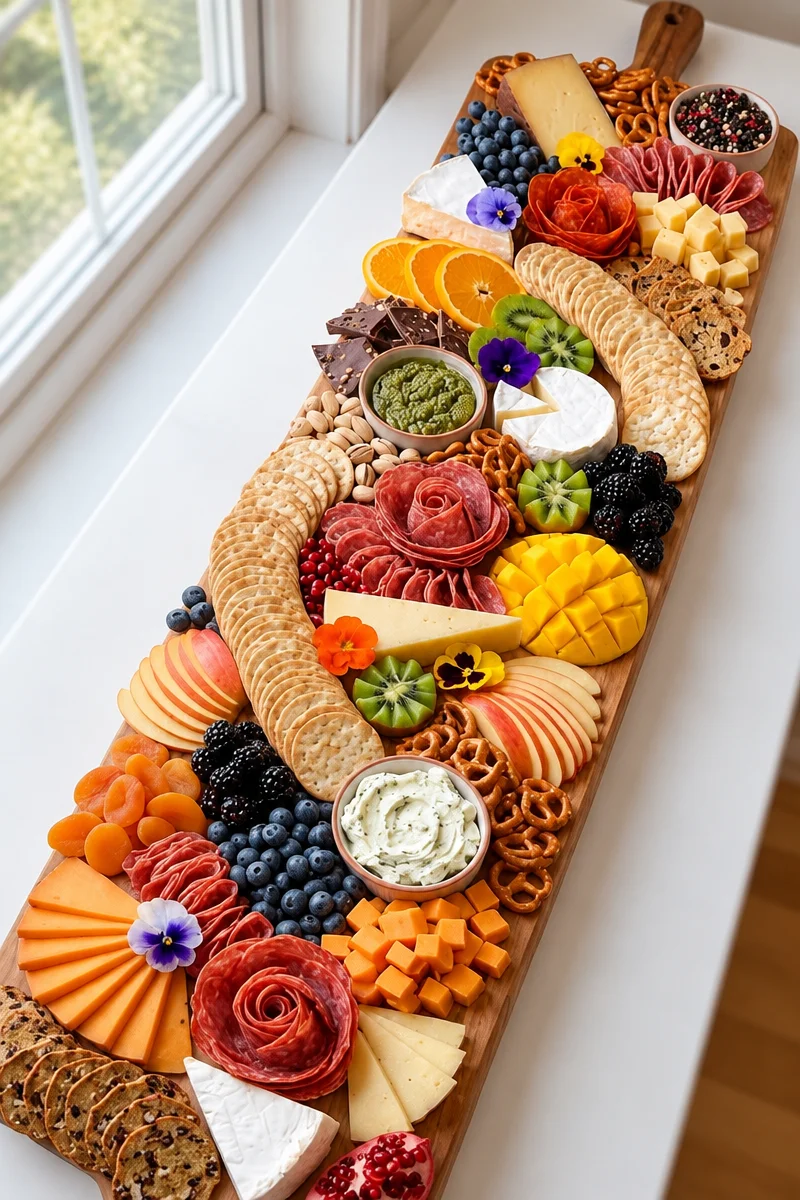
A well-made cheese board turns simple ingredients into an inviting centerpiece for any gathering. With a thoughtful mix of textures, flavors, and colorful accompaniments, this tabla de quesos is easy to assemble, elegant to serve, and sure to please every guest.
Why Make This Recipe
- Simple yet impressive: No cooking is required—just choose, slice, and arrange.
- Perfect for sharing: A cheese board encourages guests to sample different combinations at their own pace.
- Easy to customize: Use your favorite cheeses, seasonal fruit, nuts, spreads, and crackers.
- Ideal for any occasion: Serve it at a dinner party, holiday gathering, casual brunch, or relaxed evening at home.
Ingredients
Build your cheese board with a balance of flavors, colors, and textures. Choose three to five cheeses, such as:
- A soft cheese, such as brie, camembert, goat cheese, or cream cheese
- A firm cheese, such as manchego, cheddar, gouda, or parmesan
- A blue cheese, such as roquefort, gorgonzola, or stilton
- A semi-soft cheese, such as havarti, fontina, or mozzarella
Add a selection of accompaniments:
- Crackers, toasted baguette slices, breadsticks, or artisan bread
- Fresh fruit, such as grapes, apples, pears, figs, or berries
- Dried fruit, such as apricots, dates, cranberries, or raisins
- Nuts, such as almonds, walnuts, pistachios, or pecans
- Olives or pickled vegetables
- Honey, fruit preserves, fig jam, or chutney
- Cured meats, such as prosciutto, salami, chorizo, or ham
- Fresh herbs for decoration, such as rosemary, thyme, or basil
How to Make It
- Choose a serving board. Select a large wooden board, slate, platter, or shallow tray with enough room for the cheeses and accompaniments.
- Prepare the cheeses. Take the cheeses out of the refrigerator before serving so they can soften and develop their full flavor. Leave soft cheeses whole and slice or crumble firmer varieties.
- Arrange the largest items first. Place the cheeses around the board, spacing different shapes and colors apart. Position a wedge, round, and sliced cheese to create visual variety.
- Add small bowls. Use small bowls or ramekins for olives, preserves, honey, or other moist ingredients.
- Fill in the spaces. Add crackers, bread, fruit, dried fruit, nuts, and cured meats around the cheeses. Group similar items together while keeping the board visually balanced.
- Add finishing touches. Tuck in fresh herbs, drizzle honey over a suitable cheese, or add a few extra fruit pieces for color.
- Serve at the right temperature. Let the completed board sit briefly at room temperature before serving, but avoid leaving perishable foods out for extended periods.
How to Serve It
- Pair the board with red wine, white wine, sparkling wine, cider, or nonalcoholic grape juice.
- Add a fresh green salad or a bowl of marinated vegetables for a light, refreshing contrast.
- Serve it as an appetizer before a main course, or offer it as a complete snack with plenty of bread, fruit, and cured meats.
- Place separate cheese knives on the board so guests can enjoy each variety without mixing flavors.
How to Store It
Store leftover cheese in the refrigerator, wrapped loosely in wax paper or parchment and then placed in an airtight container or resealable bag. Keep crackers and bread in a separate container at room temperature so they remain crisp.
Fresh fruit, cured meats, olives, and spreads should be stored separately in airtight containers and refrigerated as needed. Avoid freezing soft cheeses, fruit, or assembled boards because their texture may become watery or crumbly. Hard cheeses can be frozen if necessary, although they are best enjoyed fresh.
Helpful Tips
- Create contrast: Combine creamy, firm, mild, sharp, salty, and sweet elements for a more interesting board.
- Do not overcrowd the board: Leave small spaces between ingredients so everything is easy to reach and identify.
- Slice strategically: Pre-slice some firm cheese, but leave part of each piece whole so the board looks abundant and guests can cut more as needed.
- Add seasonal ingredients: Fresh produce in season usually offers the best flavor, color, and value.
- Label unusual cheeses: Small handwritten labels help guests identify stronger flavors and discover new favorites.
Optional Variations
- Mediterranean board: Add feta, manchego, olives, roasted peppers, hummus, and toasted pita.
- Sweet and elegant board: Pair brie, goat cheese, pears, figs, honey, walnuts, and dark chocolate.
- Spanish-inspired board: Use manchego, chorizo, quince paste, Marcona almonds, olives, and crusty bread.
- Vegetarian board: Replace cured meats with marinated artichokes, roasted vegetables, stuffed grape leaves, and extra nuts.
Frequently Asked Questions
How many cheeses should I include on a cheese board?
Three to five varieties usually provide enough variety without overwhelming the board. Choose different textures and flavor profiles for the best balance.
How far in advance can I prepare a cheese board?
You can arrange most of the board several hours ahead and refrigerate it covered. Add crackers, toasted bread, and delicate fruit shortly before serving so they stay fresh.
Should cheese be served cold or at room temperature?
Most cheese tastes best after sitting at room temperature briefly. Remove it from the refrigerator before serving, while keeping the board chilled until guests are ready to eat.
What should I do if I do not like strong cheese?
Use mild alternatives such as young gouda, cheddar, havarti, mozzarella, brie, or cream cheese. You can still create variety through different textures and accompaniments.
How do I keep crackers from becoming soggy?
Serve crackers in a separate bowl or add them just before serving. Keep them away from wet ingredients such as olives, fruit preserves, and juicy fruit.

Cheese Board
A well-made cheese board turns simple ingredients into an inviting centerpiece for any gathering, featuring a thoughtful mix of textures, flavors, and colorful accompaniments.
Ingredients
Cheeses
- 3-5 types Varieties of cheese (soft, firm, blue, semi-soft) Include options like Brie, Cheddar, Roquefort, Havarti, etc.
Accompaniments
- as needed Crackers, toasted baguette slices, artisan bread
- as needed Fresh fruit (grapes, apples, pears, figs, berries)
- as needed Dried fruit (apricots, dates, cranberries, raisins)
- as needed Nuts (almonds, walnuts, pistachios, pecans)
- as needed Cured meats (prosciutto, salami, chorizo, ham)
- as needed Honey, fruit preserves, fig jam, chutney
- as needed Olives or pickled vegetables
- as needed Fresh herbs for decoration (rosemary, thyme, basil)
Instructions
Preparation
- Choose a serving board such as a large wooden board, slate, platter, or tray.
- Take cheeses out of the refrigerator to soften before serving. Leave soft cheeses whole; slice or crumble firm varieties.
Assembly
- Arrange the largest items first, placing different shaped and colored cheeses around the board.
- Use small bowls for olives, preserves, honey, or any moist ingredients.
- Fill in spaces with crackers, bread, fruits, dried fruit, nuts, and cured meats, keeping similar items grouped.
- Tuck in fresh herbs and drizzle honey over some cheeses for extra flavor.
Serving
- Serve with a selection of red or white wine, sparkling wine, cider, or grape juice.
- Include a fresh salad or marinated vegetables as a light contrast.
- Place cheese knives on the board for easy serving.
Notes
Store leftover cheese separately after wrapping. Ensure not to overcrowd the board for easy access.